
AI and the Future of Manufacturing: Opportunities and Obstacles
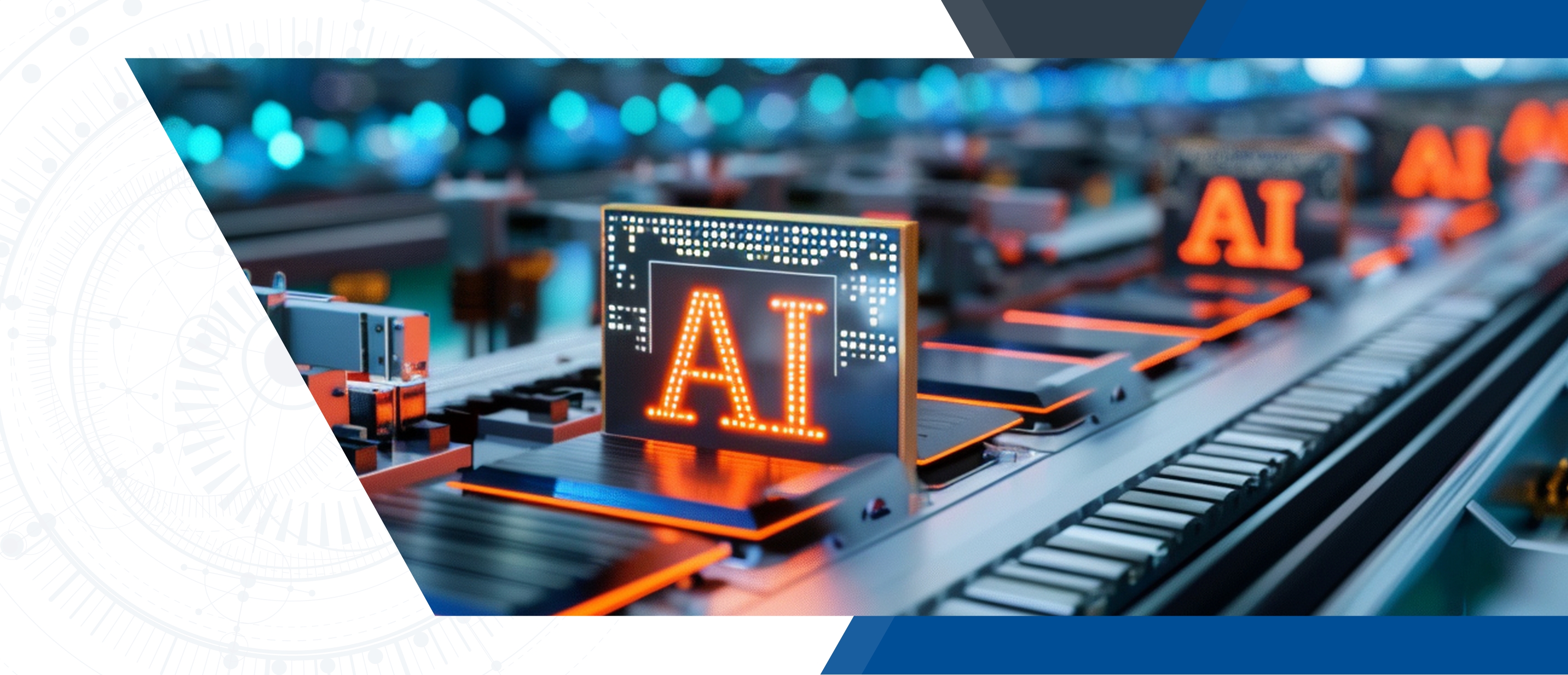
Artificial Intelligence (AI) is quickly becoming an everyday tool throughout various industries. Applications that used to be ideas of the past are now present and accessible realities. AI is a prevalent tool in the Manufacturing Industry as it helps to boost efficiency, quality, and flexibility by optimizing processes, maintaining equipment, and improving supply chain management. In this article, the importance, benefits, challenges, and possible future developments of AI in the manufacturing sector will be discussed.
AI Applications in Manufacturing
Manufacturing is at the forefront of industries that have begun the adoption of AI. Here are some ways it’s making a difference:
- Supply Chain Management: AI is pivotal in preventing bottlenecks and enhancing inventory management. It excels in predictive analytics, demand forecasting, and improving the overall customer experience.
- Predictive Maintenance: AI algorithms analyze historical data to predict when equipment needs maintenance, reducing unexpected downtime, and improving machinery reliability.
- Collaborative Robots: Instead of replacing human workers, collaborative robots work alongside them, learning tasks through reinforcement learning. At Triangle Manufacturing, we use robotic process automation (RPA) software to streamline administrative tasks and are continuously exploring news ways to leverage AI.
Benefits of AI in Manufacturing
In the Manufacturing Industry, Artificial Intelligence (AI) is a key asset that is significantly transforming operations and outcomes. Here’s how:
- Cost Reduction and Efficiency: AI streamlines processes, minimizes waste and optimizes resource allocation, leading to significant cost savings.
- Enhanced Operational Visibility: Real-time monitoring and data analysis allow for quick adjustments and informed decision-making.
- Consistent Quality Performance: AI-driven process optimization ensures consistent output quality and performance.
- Predictive Analytics: AI provides insights into potential mechanical issues, allowing for preemptive maintenance, thus reducing downtime.
- Addressing Labor Shortages: AI automates repetitive tasks, enhancing human capabilities and addressing workforce gaps.
- Demand Forecasting: AI enhances inventory management and aligns supply with market needs and reducing overstock.
- Improved Customer Experience: Through advanced cognitive computing, AI can ensure timely delivery, high-quality output, and customized services.
AI Implementation Challenges and Overcoming them
According to a study conducted by the Manufacturing Leadership Council, issues regarding data are the biggest implementation challenge. These issues have to do with things like privacy, the contextualization, formatting and accessing of said data, and combining separate sets of data. Noisy and poor-quality data are also of importance here, as well as the data’s validity.
Guardrails must be established to ensure the ethical use of AI and protect data privacy. Furthermore, another troubling uncertainty surrounding AI’s implementation is return on investment (ROI) due to its initial cost, intangible benefits, measurement metrics, and skill requirements. However, there are various ways for businesses to address these challenges:
- Clear Objectives and Metrics: create concise and measurable goals with the appropriate metrics in order to track progress and benefits.
- Pilot Projects with Incremental Steps: experiment with a wide range of small-scale pilot projects in order to gauge possible ROI. Break these projects down into smaller phases and monitor them closely.
- Invest in Training: AI implementation cannot be successful without humans who understand how to optimize its capabilities. Providing training for staff or having a central AI team with specialized professionals is essential.
- Guaranteeing Data Quality: considering that the main issue of implementing AI usually regards data, investing in high quality data collection/testing/integration is crucial.
Looking Ahead
As AI technology evolves, its applications, benefits, and challenges will continue to develop. By 2030, AI is expected to redefine competitiveness in manufacturing. Embracing AI with a proactive approach and investing in the necessary resources will be crucial for achieving greater efficiency, productivity, and innovation. Of course, there are inevitable challenges and uncertainties that come with it, but embracing these advancements with a proactive approach will be key to overcoming hurdles and leveraging AI’s transformative power. As the technology evolves, continuous adaptation and learning will ensure that businesses remain at the forefront of innovation and efficiency
